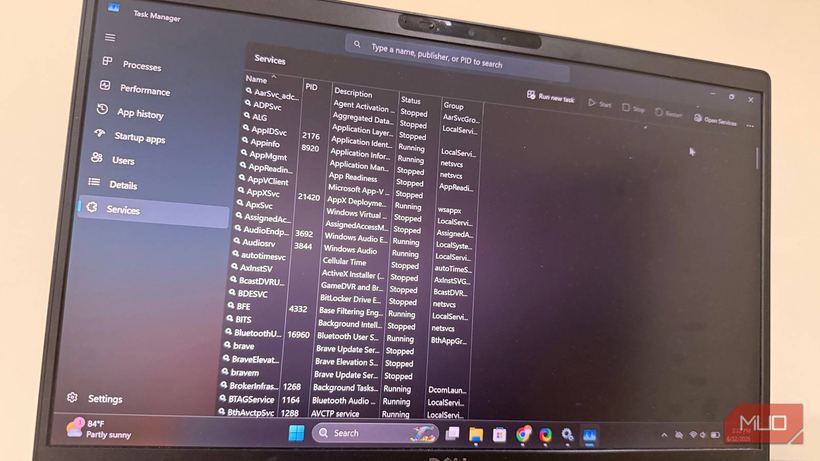
From the moment Windows starts, dozens of processes run in the background. Most of them were created for corporate networks — offices, schools, government institutions. Home users get all of this "bundled in," even though most of these services will never be useful.
If your computer is running slower than it should — for no apparent reason — the problem might be four services that start automatically and consume resources for nothing.
Four Services Worth Checking
— Print Spooler. Manages print jobs and runs constantly — even if you don't have a printer. In 2021, a serious vulnerability called PrintNightmare was discovered in this service. Microsoft patched it, but the logic is simple: no printer — no reason to keep the service running.
— Smart Card. Required for logging into the system with a physical ID card. It's used by government agencies, the military, and large corporations. The average home user doesn't need it.
— Distributed Link Tracking. Helps Windows locate files if they've been moved and updates shortcuts. Useful in corporate networks with shared drives. At home, where files are stored locally or in the cloud, the service just sits idle.
— Windows Search. Indexes all files on the drive so the built-in search works quickly. The most resource-intensive of the four: constantly writes to the disk, loads RAM and the processor. On older computers with hard drives, this is especially noticeable — random slowdowns appear while you're working.
How to Disable an Unnecessary Service
1. Press Win + R, type `services.msc` and press Enter.
2. Find the service you need in the list.
3. Double-click on it — properties will open.
4. Read the service description to make sure you don't need it.
5. In the "Startup type" field, select "Disabled."
6. Click the "Stop" button, then "Apply" and "OK."
7. Restart your computer and work for several days in normal mode.
If nothing broke — the service is definitely unnecessary. If something went wrong — restore the startup type to its previous value ("Automatic" or "Manual").
What to Do with Windows Search
It's better not just to disable Windows Search, but to replace it. The free utility Everything works significantly faster than the built-in search and finds files instantly — without constant indexing in the background.
Conclusion
Disabling unnecessary services doesn't require special knowledge and costs nothing. The key is to proceed methodically: disable one, wait, make sure everything works, then move on to the next.
If your computer continues to lag after all these steps, the cause might be deeper: overheating, a worn-out drive, or RAM issues. Come by for a free diagnostic at iClub.pro — we'll get to the bottom of it and tell you what needs to be done.